
Climate Change & Children's Health
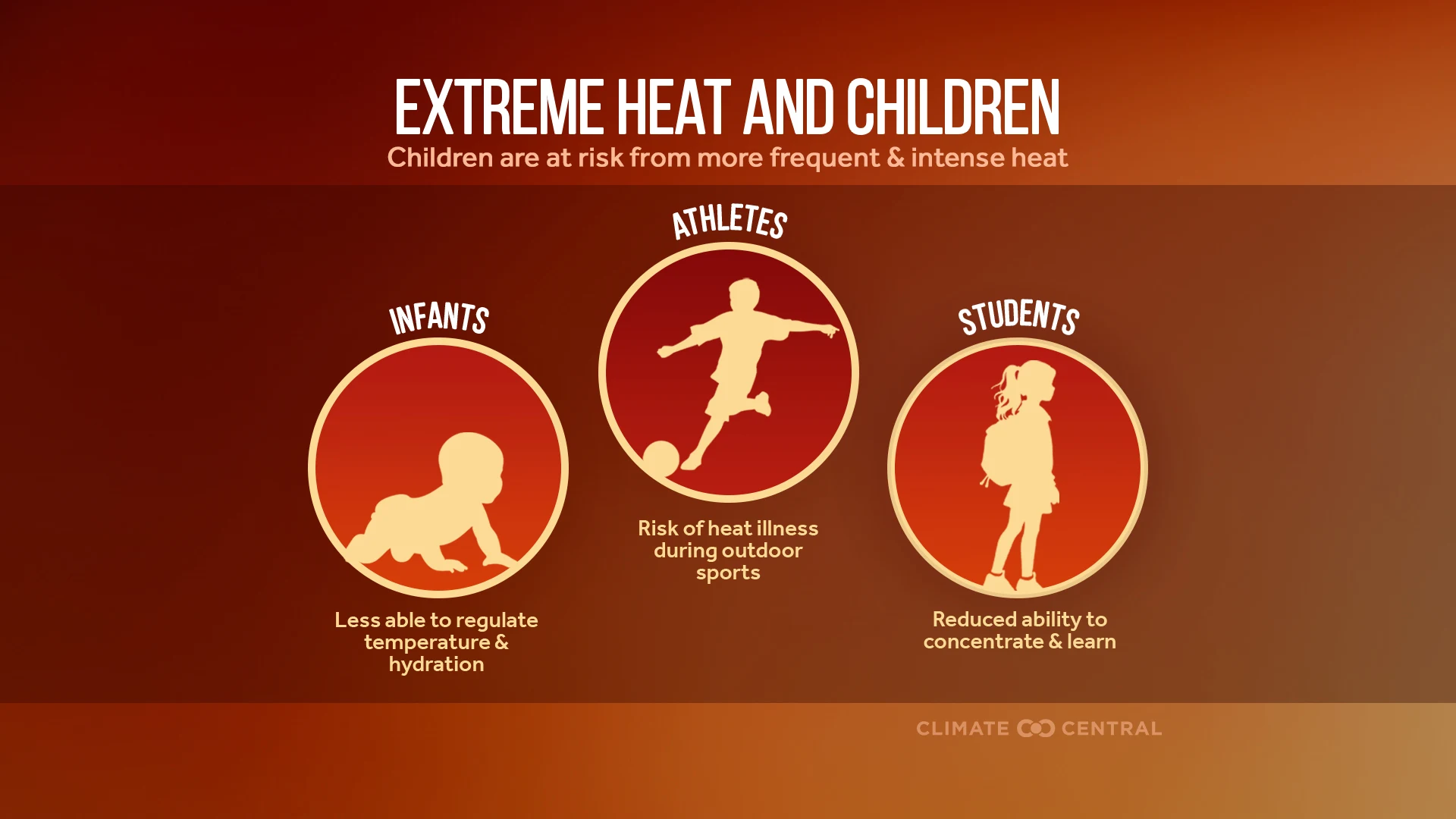
Children are especially sensitive to climate change impacts, in part because they are still growing and developing. They spend more time playing outdoors and have less control over their surrounding environments.
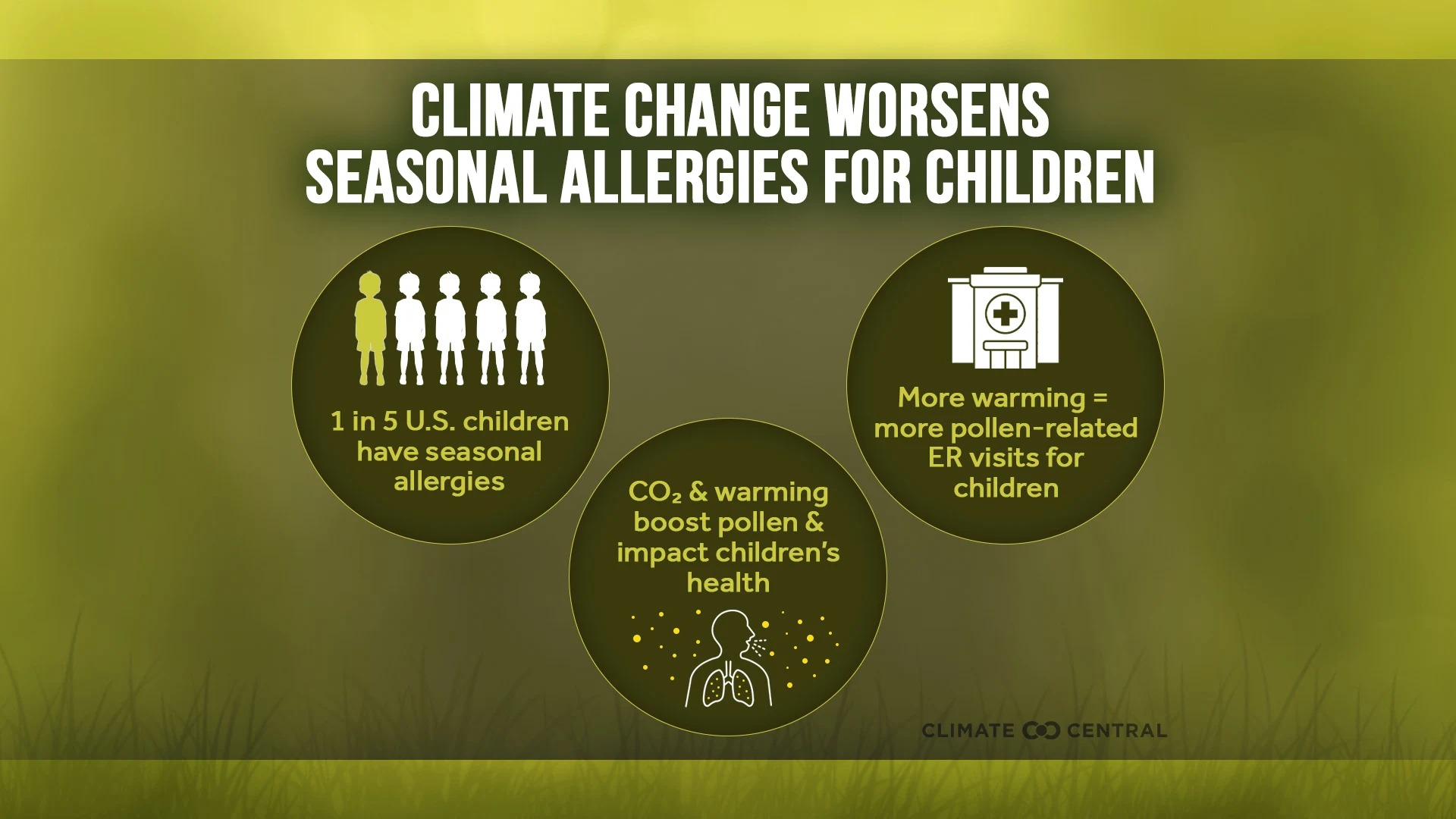
Climate change can create all kinds of health risks — especially those caused by extreme heat, worsening air quality, and severe weather. It can also increase risks related to insect-borne disease, allergies, and mental health. These threats can have significant, life-long impacts. And while no one is safe from climate-related health hazards, these risks disproportionately affect some of the most vulnerable populations.
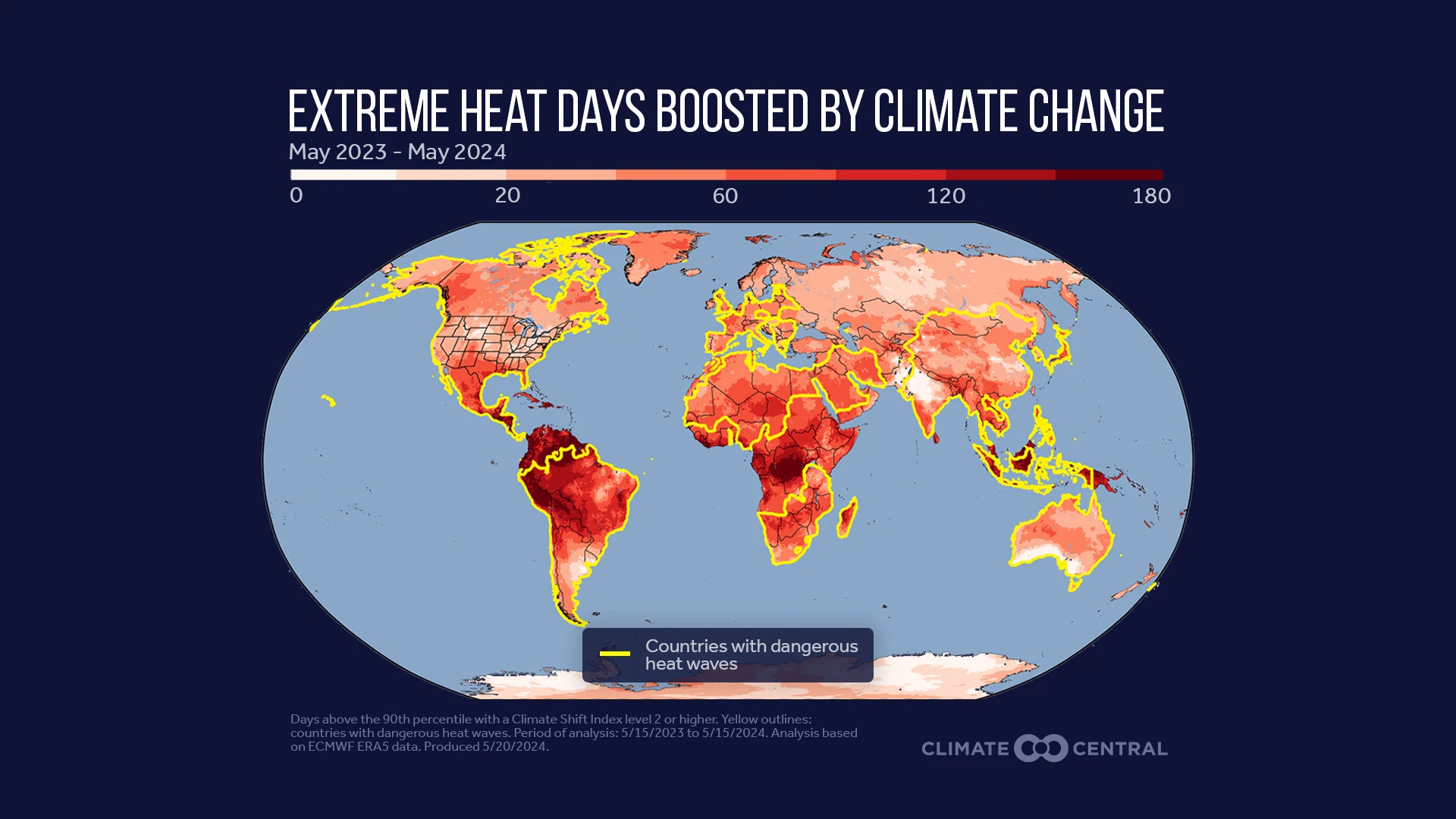
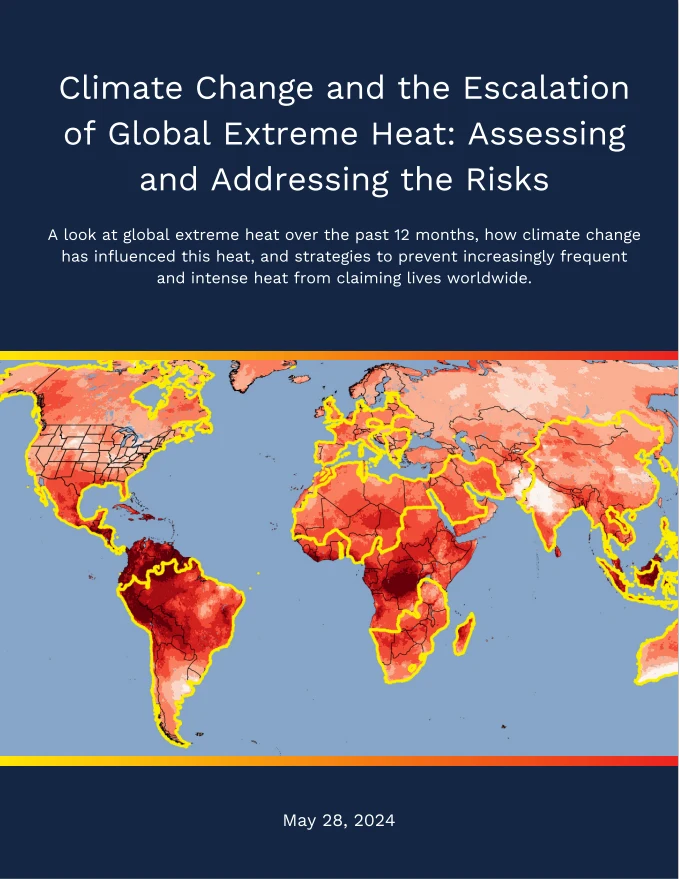
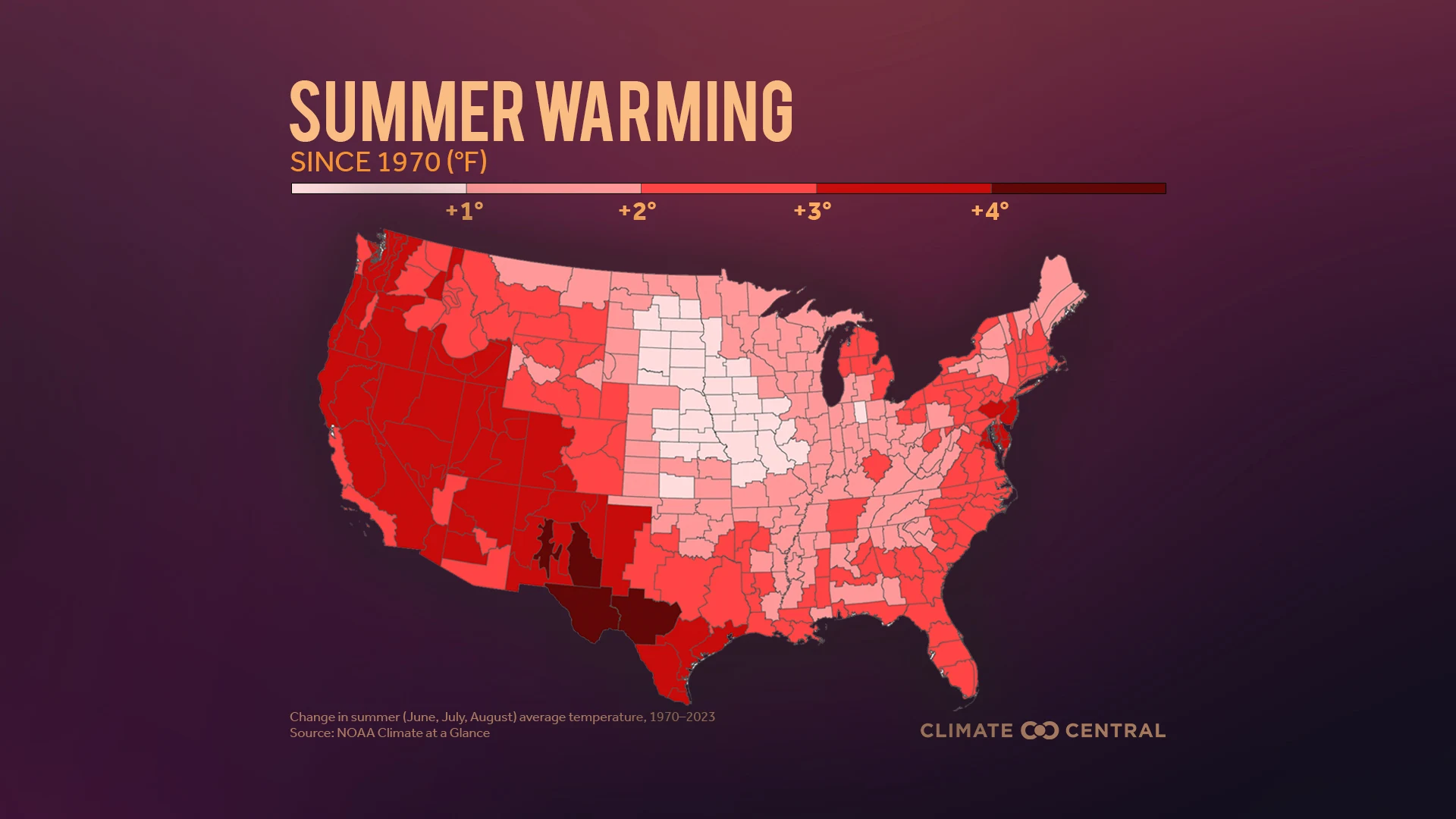
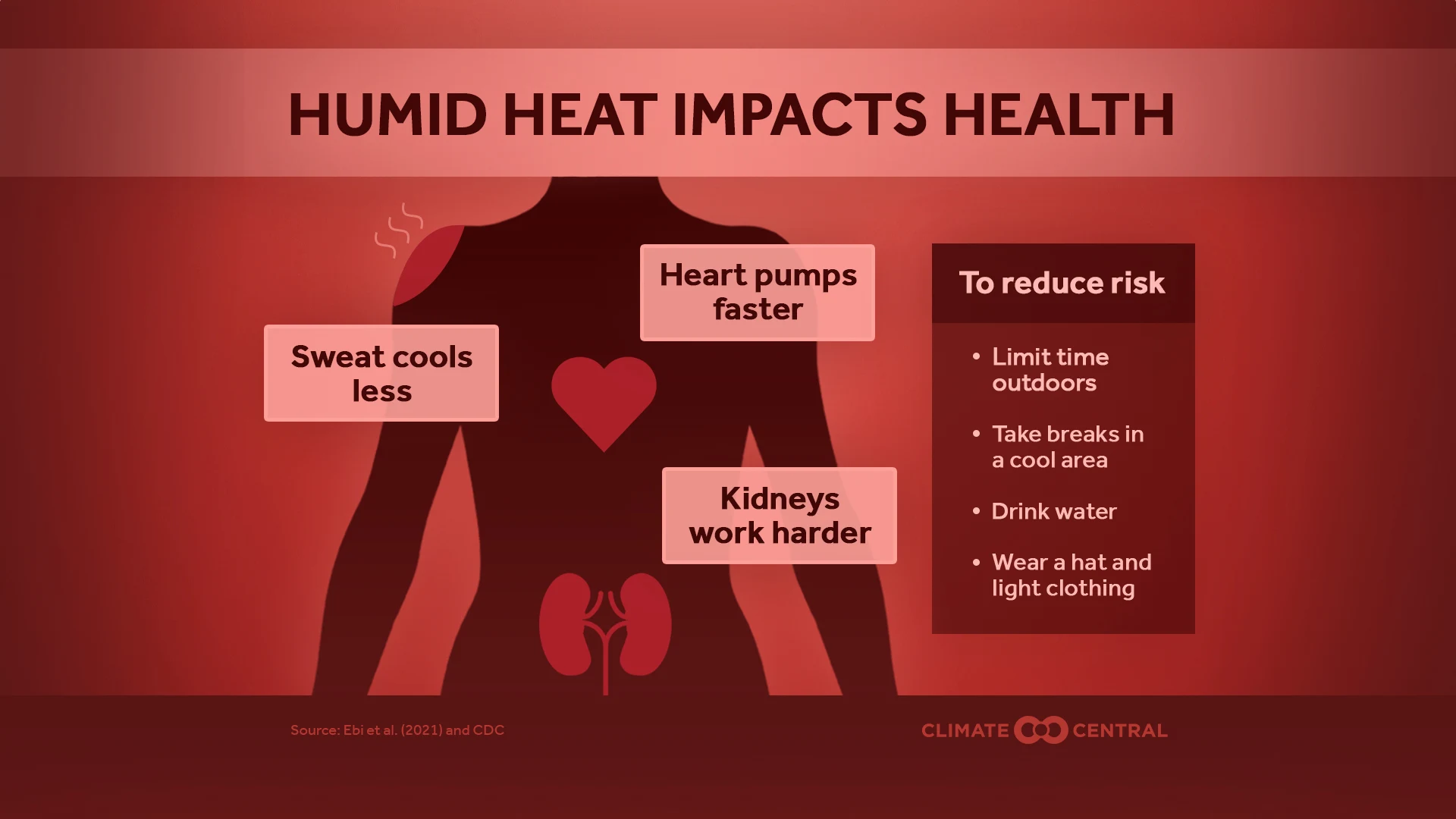
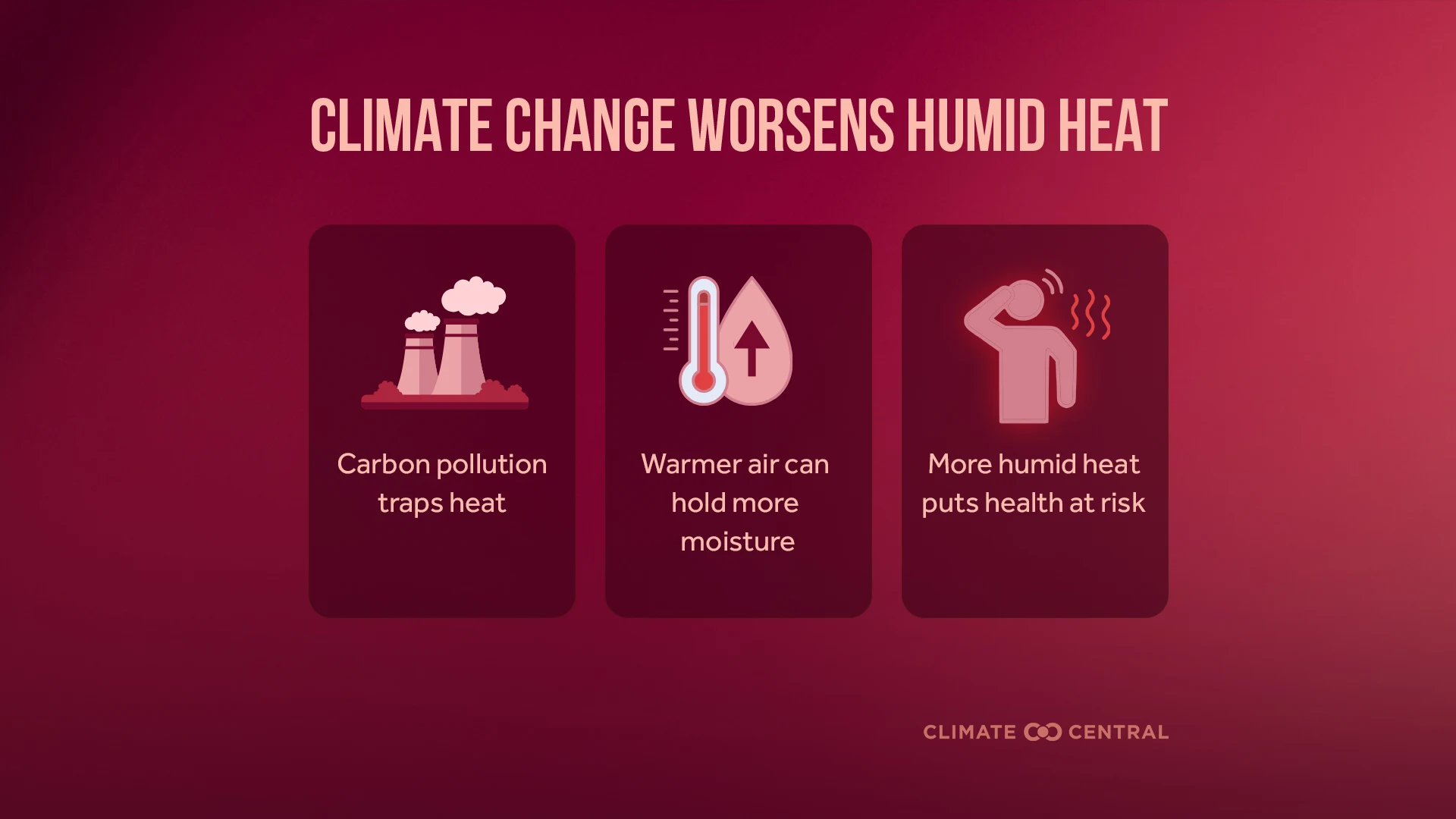
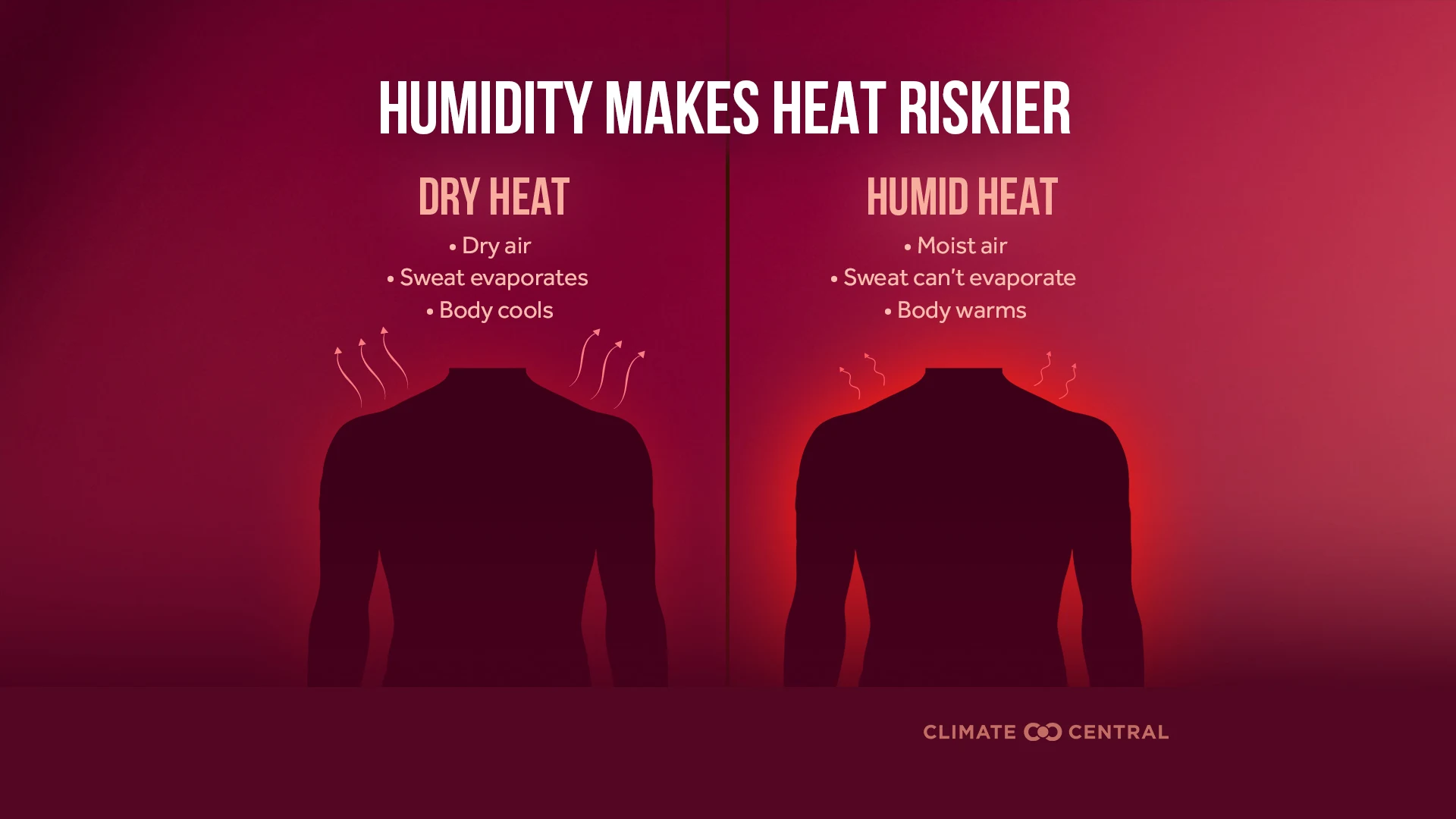
Extreme heat is the deadliest weather-related hazard in the U.S. Children, outdoor workers, and adults over 65 are among those most vulnerable to heat-related illness and death. People living in urban areas also have a higher risk of extreme-heat exposure. With continued heat-trapping emissions, both average temperatures and heat extremes are projected to continue to rise through the 21st century.
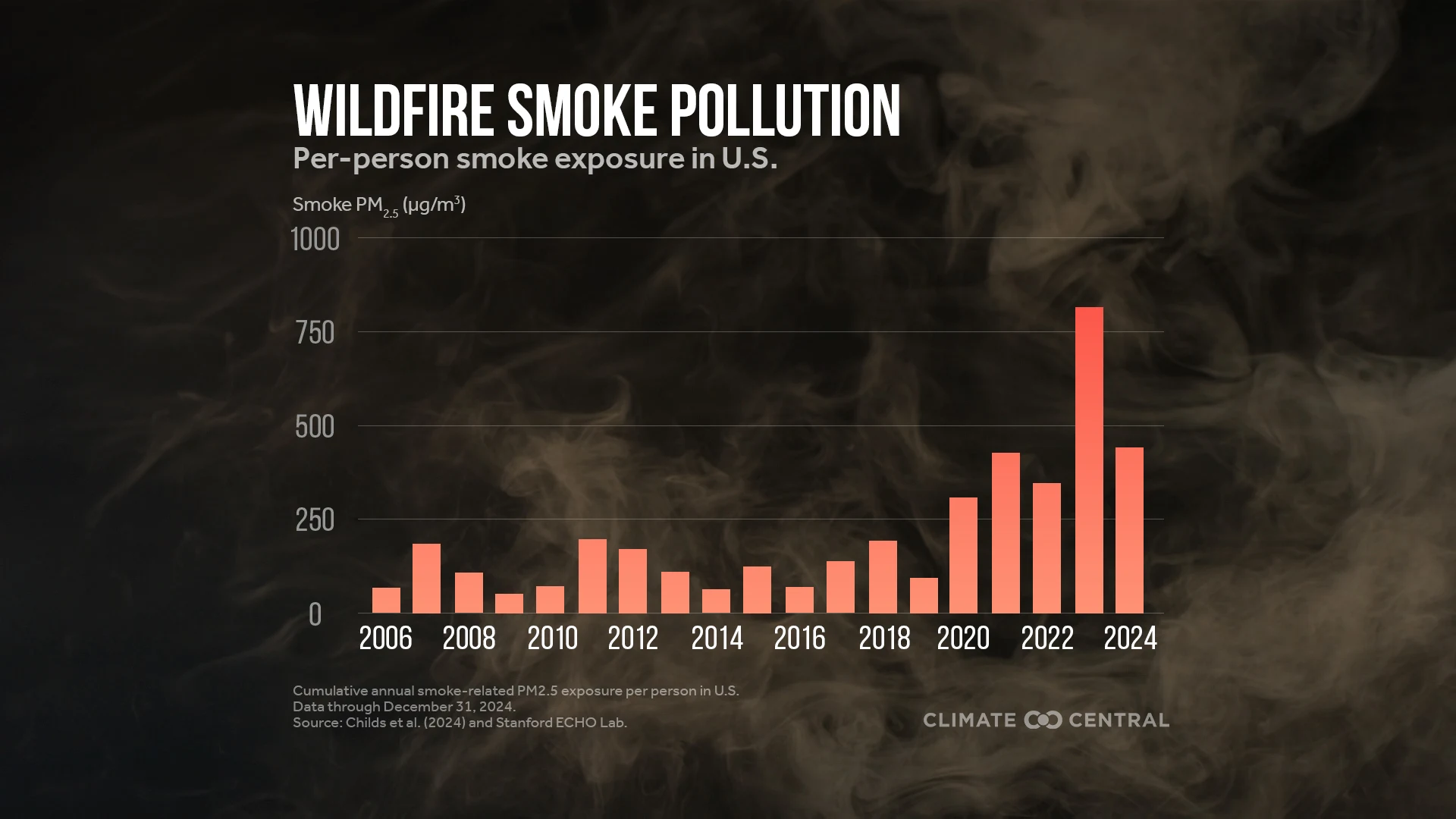
Air pollution is the leading environmental health threat to people worldwide. According to the World Health Organization, outdoor air pollution causes over 4 million premature deaths each year — primarily due to fine particle pollution exposure. Burning fossil fuels is a key contributor to air pollutants like PM2.5 and ground-level ozone — both of which worsen air quality and put health at risk. Climate change is also increasing the frequency and intensity of wildfires that produce harmful smoke, which causes a range of health effects.
Severe storms — thunderstorms that produce tornadoes, damaging winds or large hail — are destructive and deadly. Severe storms cause an average of 200 deaths annually in the U.S. and account for half of the total number of billion-dollar weather disasters that have impacted the nation since 1980.