CoastalDEM® Coastal Risk Screening Tool
Improved elevation data indicate far greater global threats from sea level rise and coastal flooding than previously understood.

An independent organization of leading scientists and journalists researching and reporting the facts about our changing climate and its impact on the public.
Climate Central surveys and conducts scientific research on climate change and informs the public of key findings. Our scientists publish and our journalists report on climate science, energy, sea level rise. Read More
Members of the Climate Central staff and board are among the most respected leaders in climate science. Staff members are authorities in communicating climate and weather links, sea level rise, climate. Read More
Search by city, state or zip code to track the risk of flooding in your area.
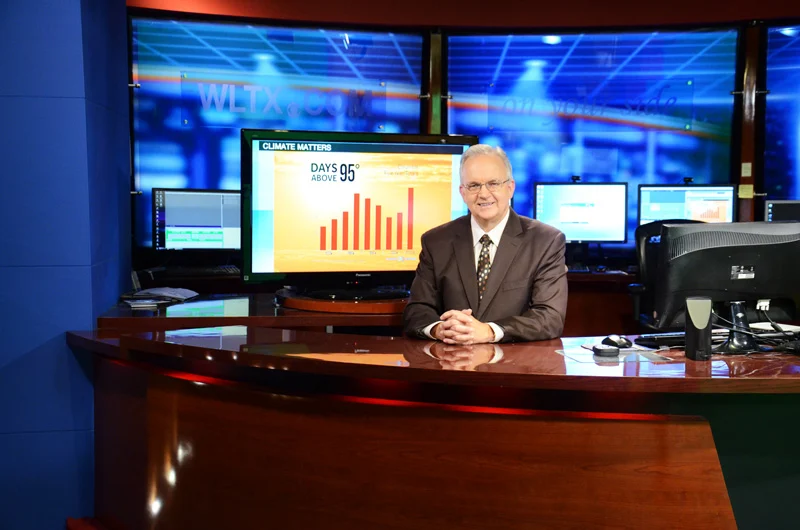
Climate Matters provides meteorologists with data & graphics on local weather events and their link to climate change.
Guided by data and science, our journalists collaborate with local newsrooms on compelling climate change coverage.
As waves of "Brood X" (pronounced “Brood 10”) cicadas emerge this spring after 17 years underground, chances are they’re arriving earlier than their parents.
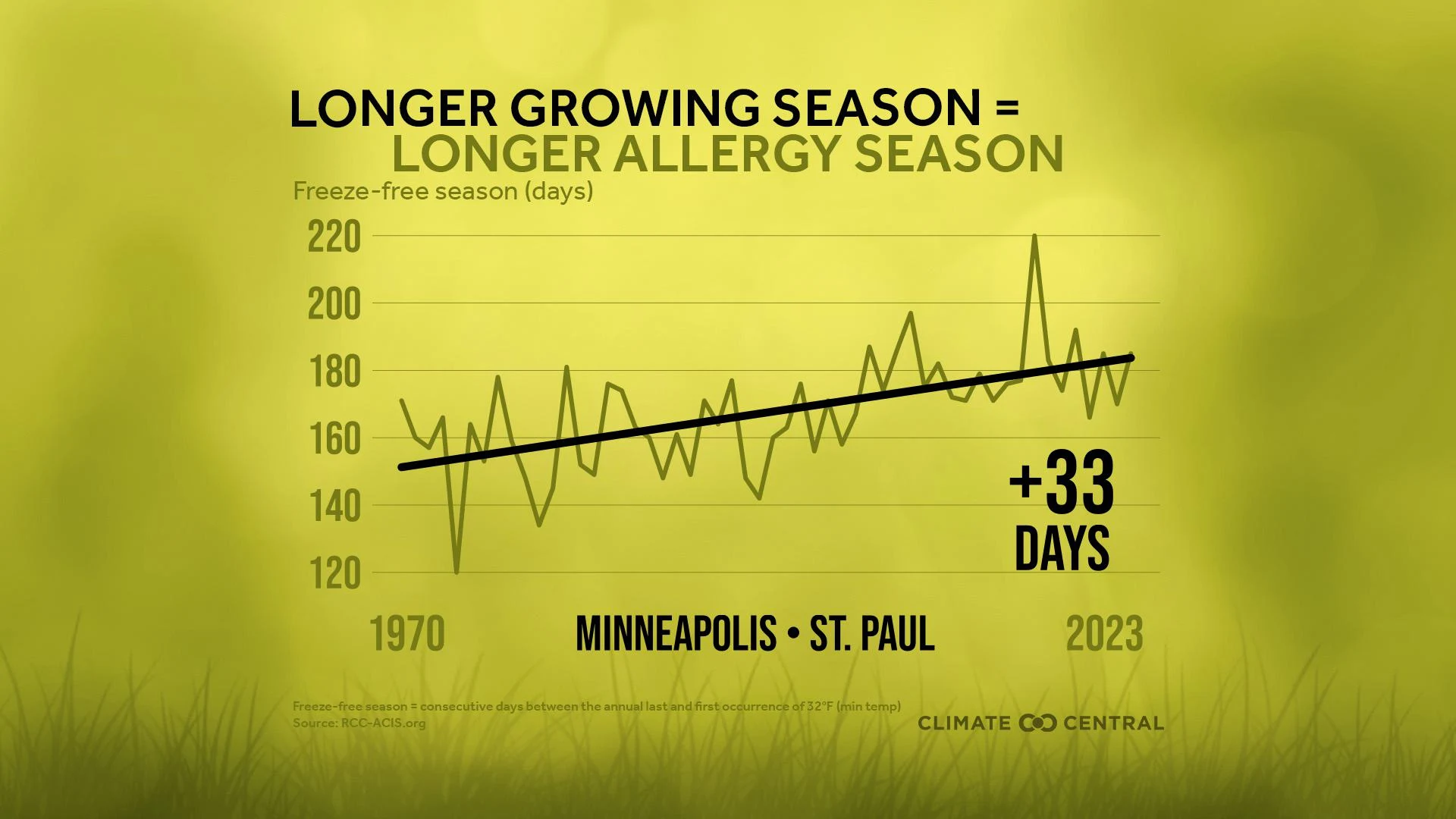
As warmer temperatures drive longer growing seasons across the U.S., and rising carbon dioxide levels increase pollen concentrations, conditions only worsen for allergy and asthma sufferers.
Happy Earth Day! Since the first Earth Day celebration in 1970, yearly temperatures have warmed significantly across the U.S. Explore the fastest-warming cities in our handy Earth Day toolkit.
A new Climate Central solutions brief on solar power examines one modeled pathway to net zero emissions that shows opportunities for significant job growth across the country. It also provides an overview of trends in solar in the U.S. and terminology.
A new Climate Central report examines how climate change threatens America’s aging coastal population—with rising sea levels and increasing hurricane intensity, posing risks to seniors’ safety, health and financial security.
On June 21, 2021, Climate Central talked with Ed Hawkins of the University of Reading, creator of the warming stripes visuals, on how meteorologists, journalists, and other professionals can use warming stripes and Realtime Climate alerts to integrate localized climate data visualizations into storytelling about climate-related events.

Improved elevation data indicate far greater global threats from sea level rise and coastal flooding than previously understood.

Use WeatherPower to bring wind and solar electricity generation into your forecasts, based on your local installed renewables capacity.

Realtime Climate monitors local weather and events across the U.S. and generates alerts when certain conditions are met or expected. These alerts provide links to science-based analyses and visualizations—including locality-specific, high-quality graphics—that can help explain events in the context of climate change.
An analysis of temperature data by Climate Central shows central Missouri’s plant growing season has increased by a week since 1970 — meaning an…
Climate Central used its public and proprietary tools to assess the current and future coastal flood risk to the Harriet Tubman Underground Railroad Byway.
Affordable housing units face greater risks from rising seas because they are usually not fortified against storms or coastal flooding
Nonprofits and city planners are working to create more affordable housing, but they’re up against legislation that rewards rampant development.
New Jerseyans living in public housing confront financial hardship. As many as 15,000 also face rising tides that could wreck their homes.