
Climate Matters•February 23, 2016•Reuse this content
Unnatural Coastal Floods
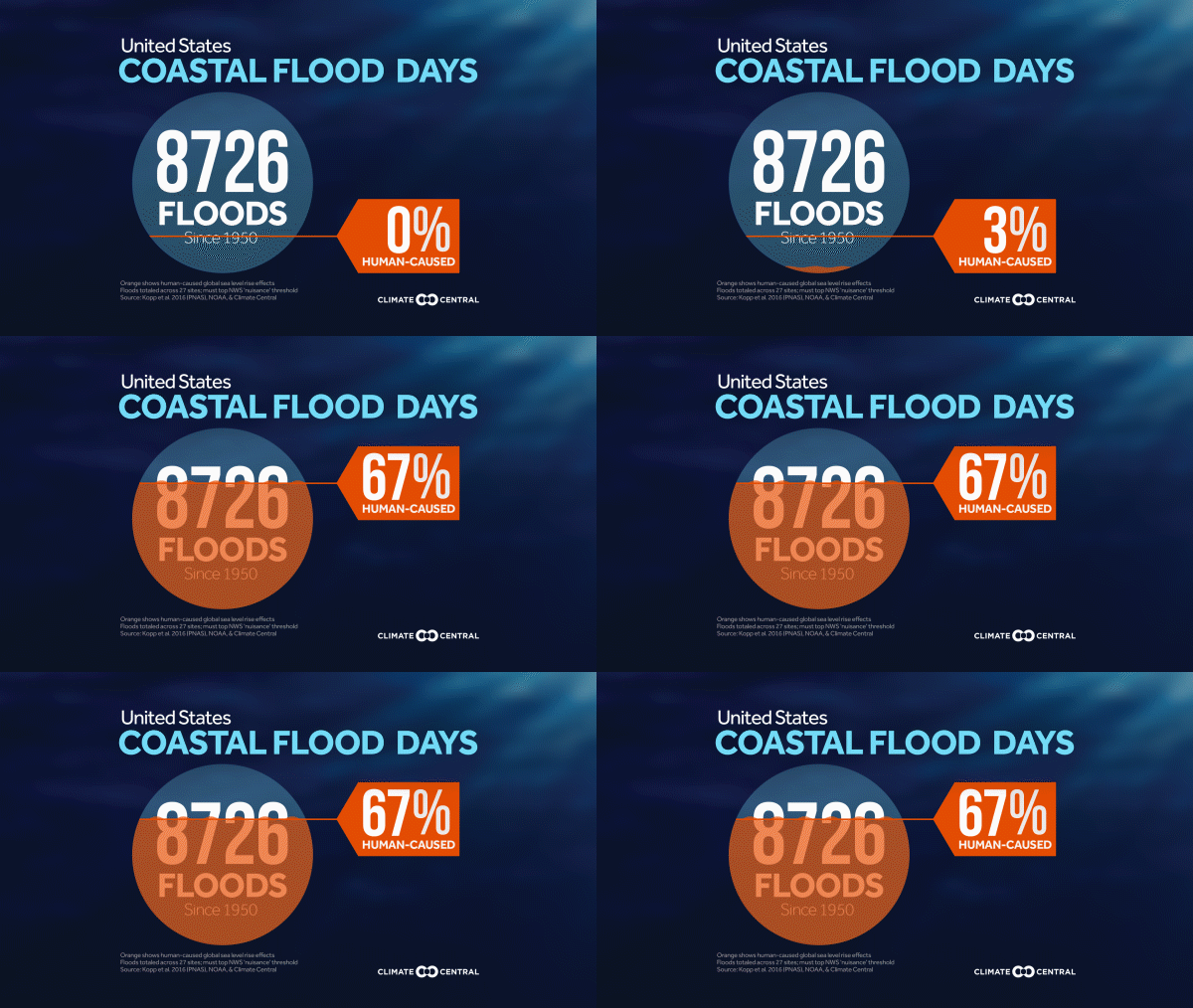
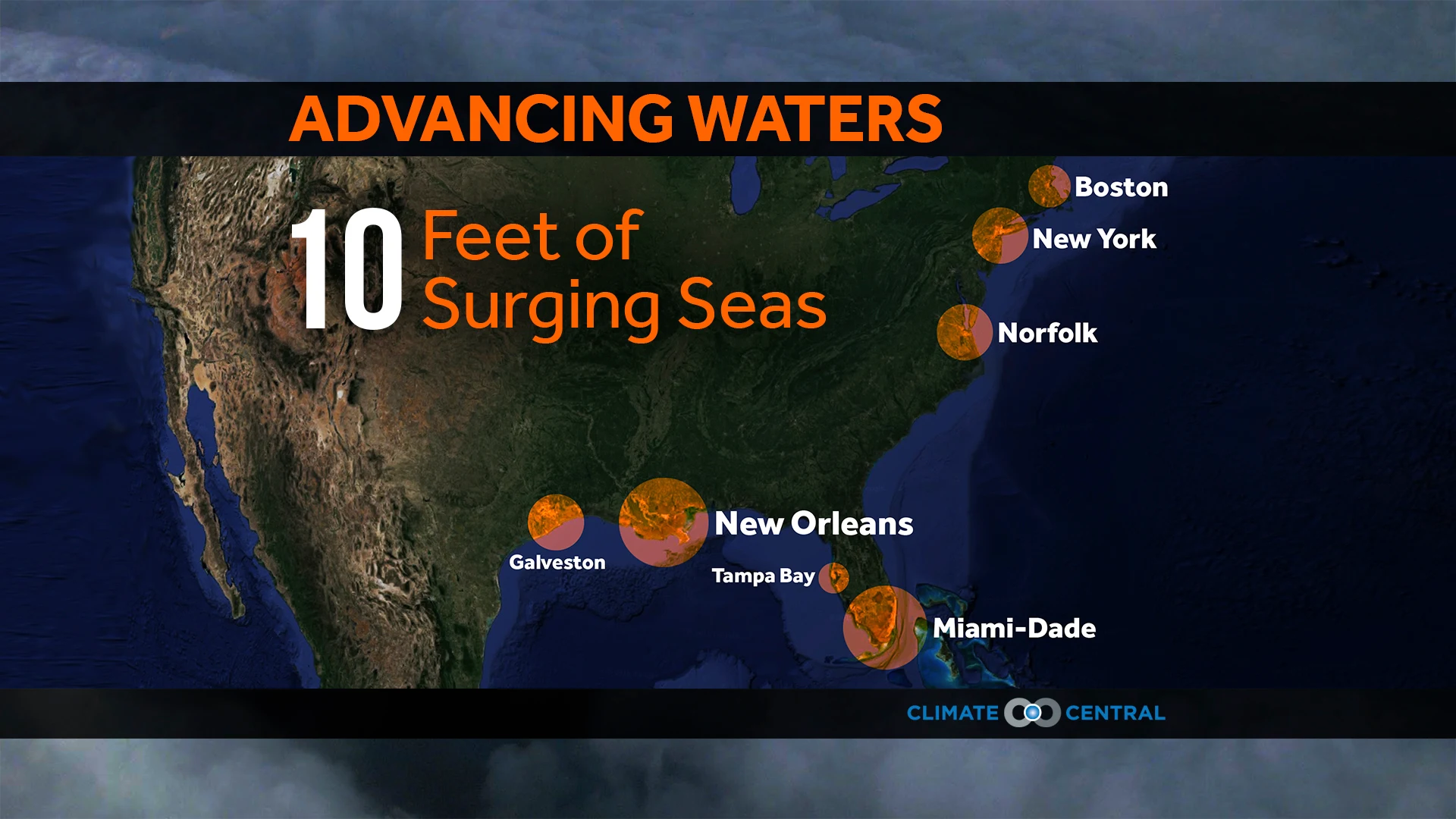
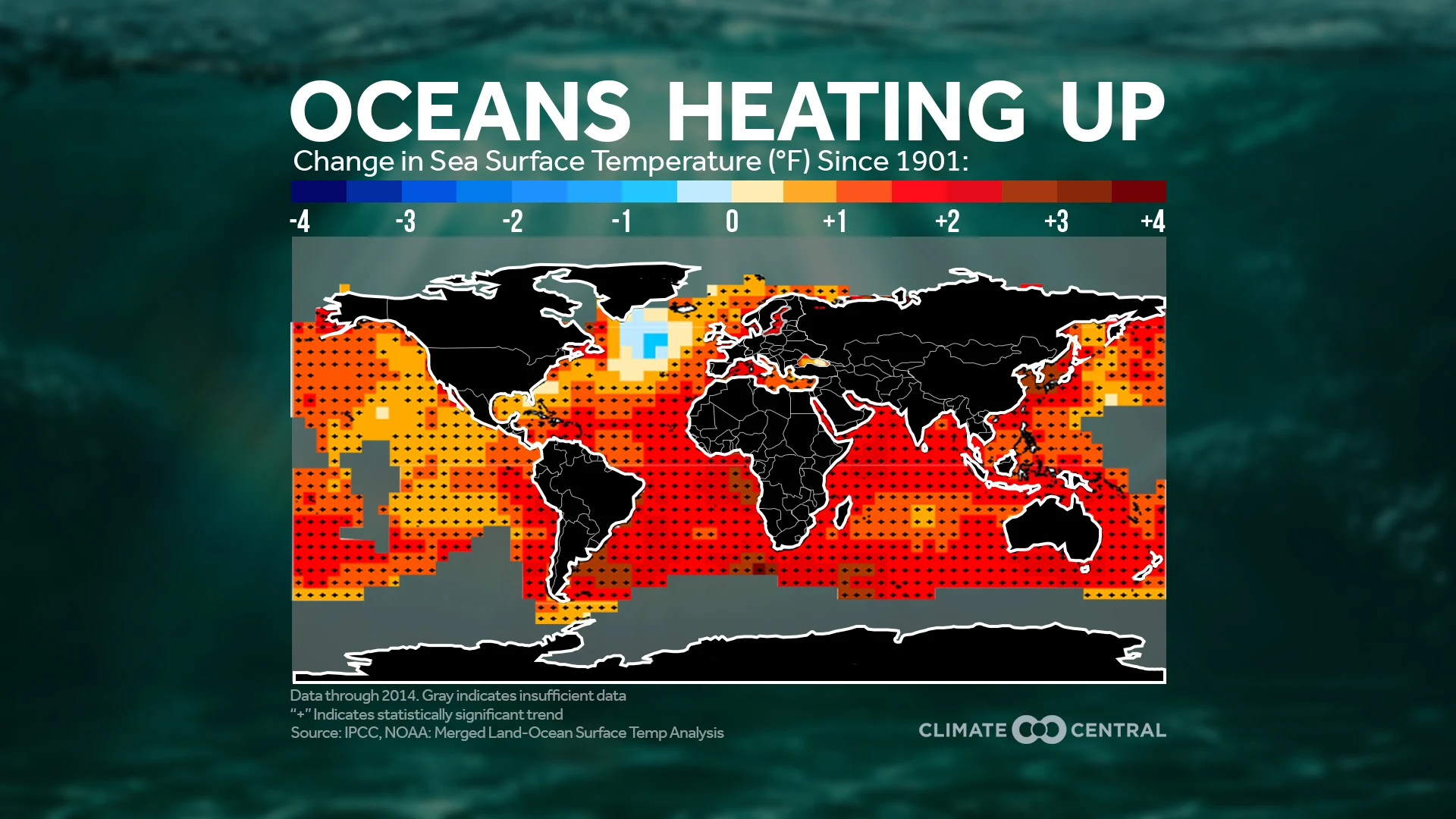
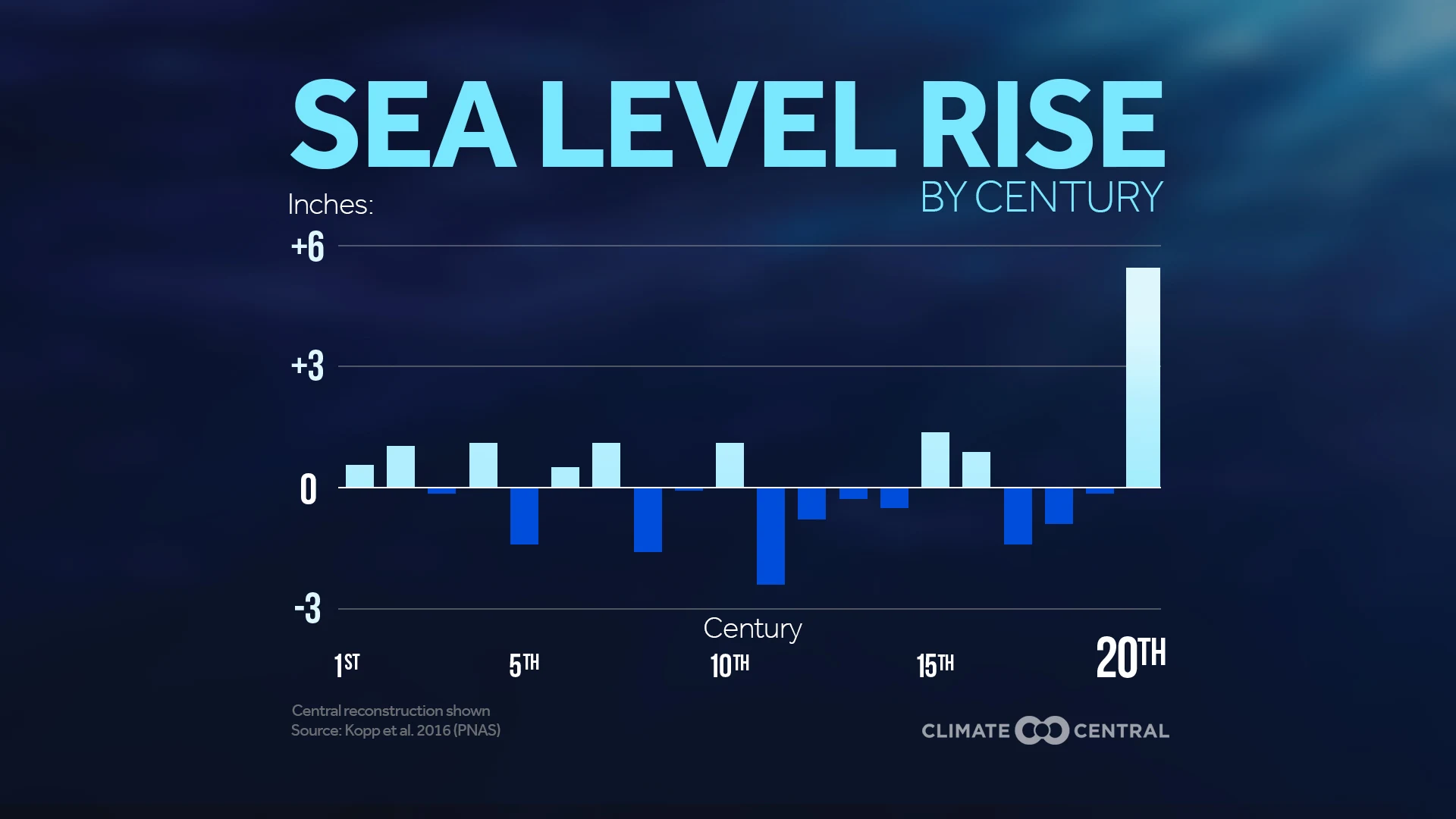
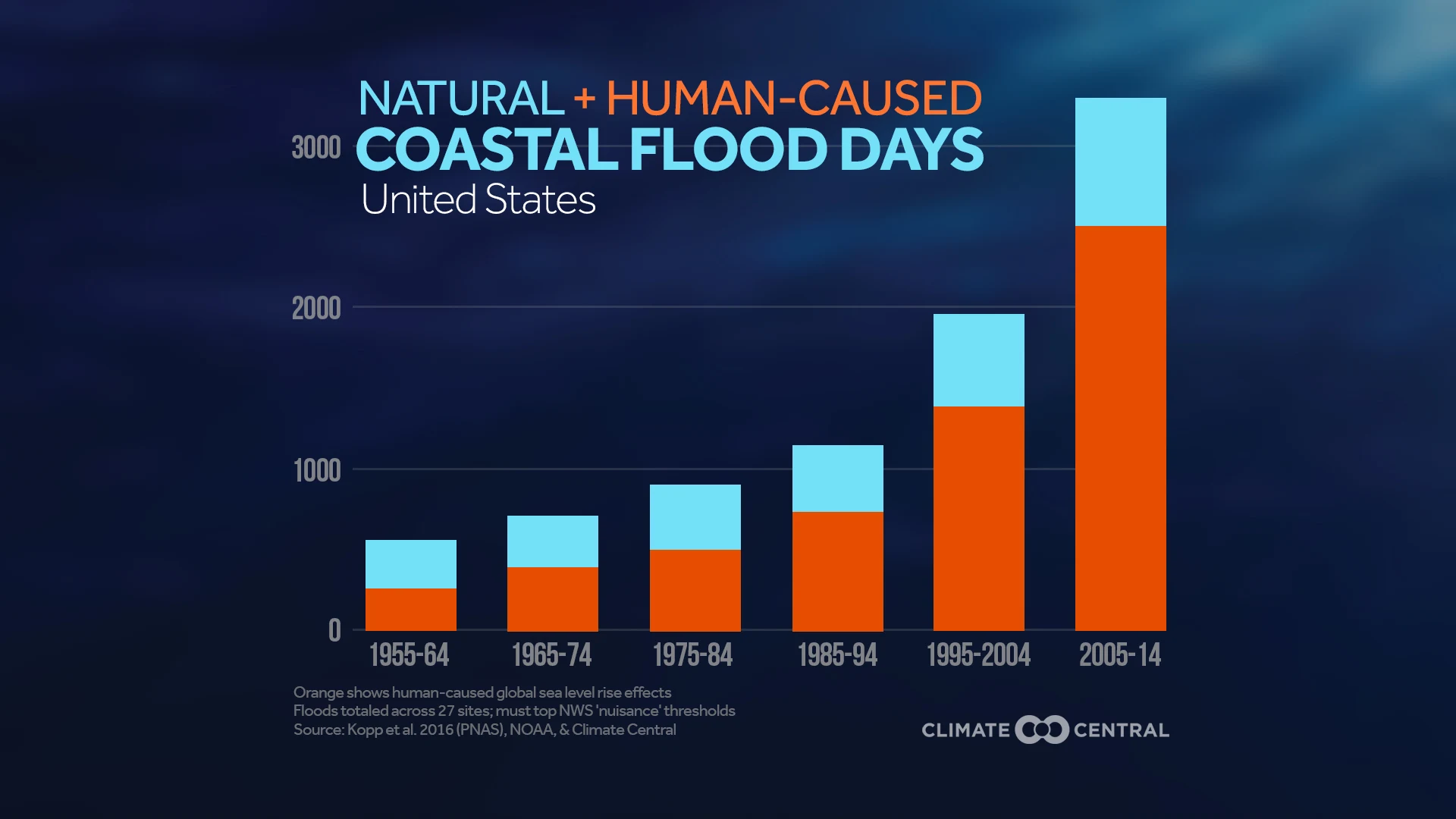

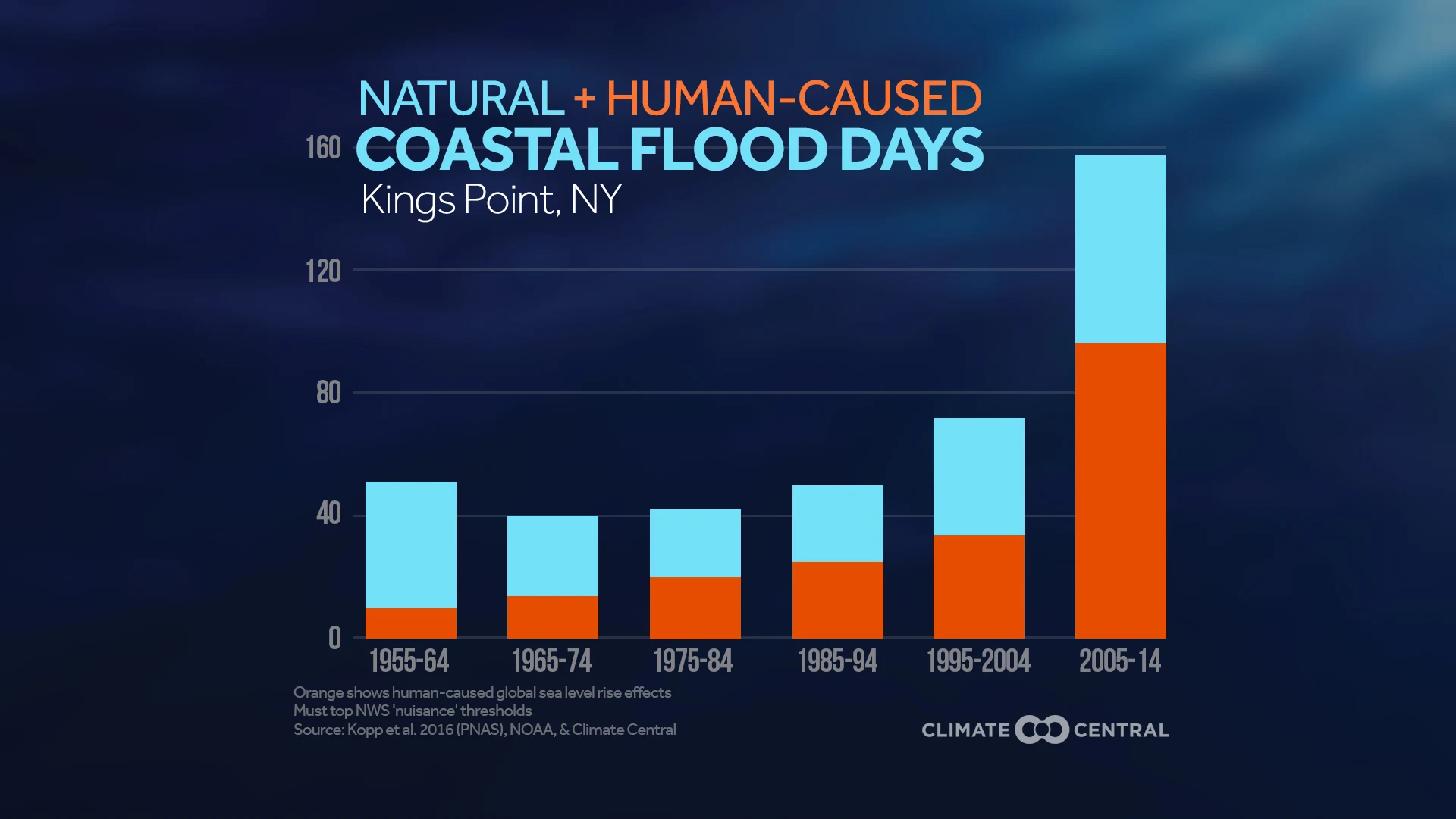

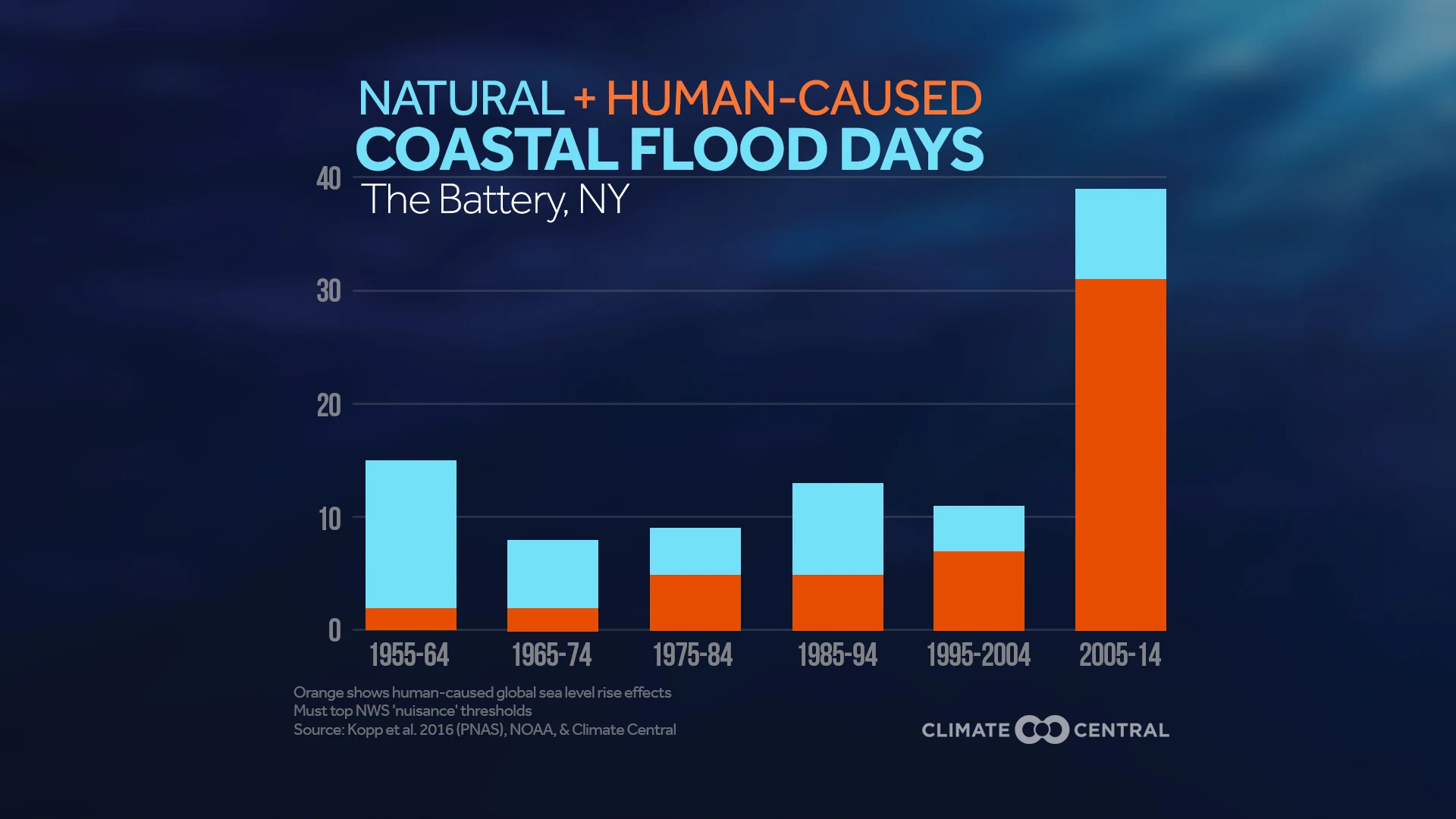

Human-caused climate change has been contributing to global sea level rise for decades. As a result, coastal flooding is also on the rise. A new analysis from Climate Central, together with other organizations, looks at human-caused global sea level rise’s influence on increasing coastal flood days in the U.S.
This research uses the NOAA nuisance flood thresholds (each threshold is locally defined but described as a coastal flood level that closes coastal roads, overwhelms storm drains, and compromises infrastructure).
Climate Central’s analysis subtracted the human-caused component of global sea level rise from water level records at 27 tide gauges across the U.S. The results show 27 alternative historical scenarios simulating a world without human-caused climate change and global sea level rise. Some findings:
Human-caused global sea level rise likely accounts for at least two-thirds of the increase in nuisance flooding days from 1955-1984 to 1985-2014.
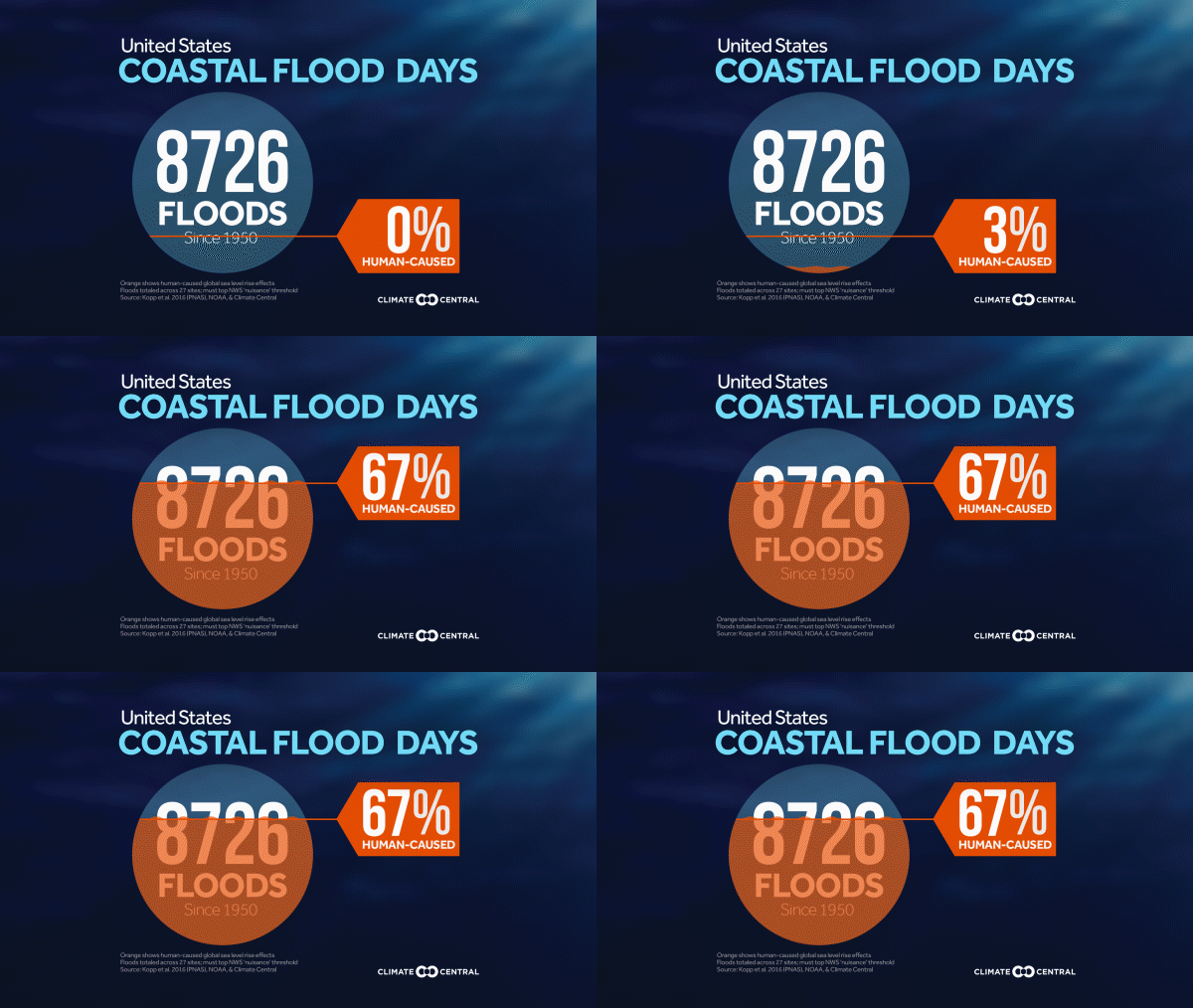
Of the 8,726 days since 1950 when water levels at these gauges exceeded the local National Weather Service nuisance flood thresholds, 67 percent would have remained below those thresholds in their alternative historical scenarios.
At sites along Florida’s Atlantic coast, the Keys, San Diego (La Jolla), Seattle, and Honolulu, more than 90 percent of observed flood days within the last decade would not have occurred in their alternative historical scenarios.
The results show that human-caused sea level rise is not just a future problem, it is driving most coastal flooding in the U.S. today.
Climate Matters © 2016 by Climate Central is licensed under CC BY 4.0
This license grants permission to use, distribute, and reproduce all text, graphics, and multimedia content published on this page in any medium, provided that Climate Central is credited per the CC BY 4.0 license.
Permission to use data and other materials published on this page is granted for non-commercial uses, commercial news purposes, and educational purposes as governed by Climate Central's Terms of Use.