Climate Matters
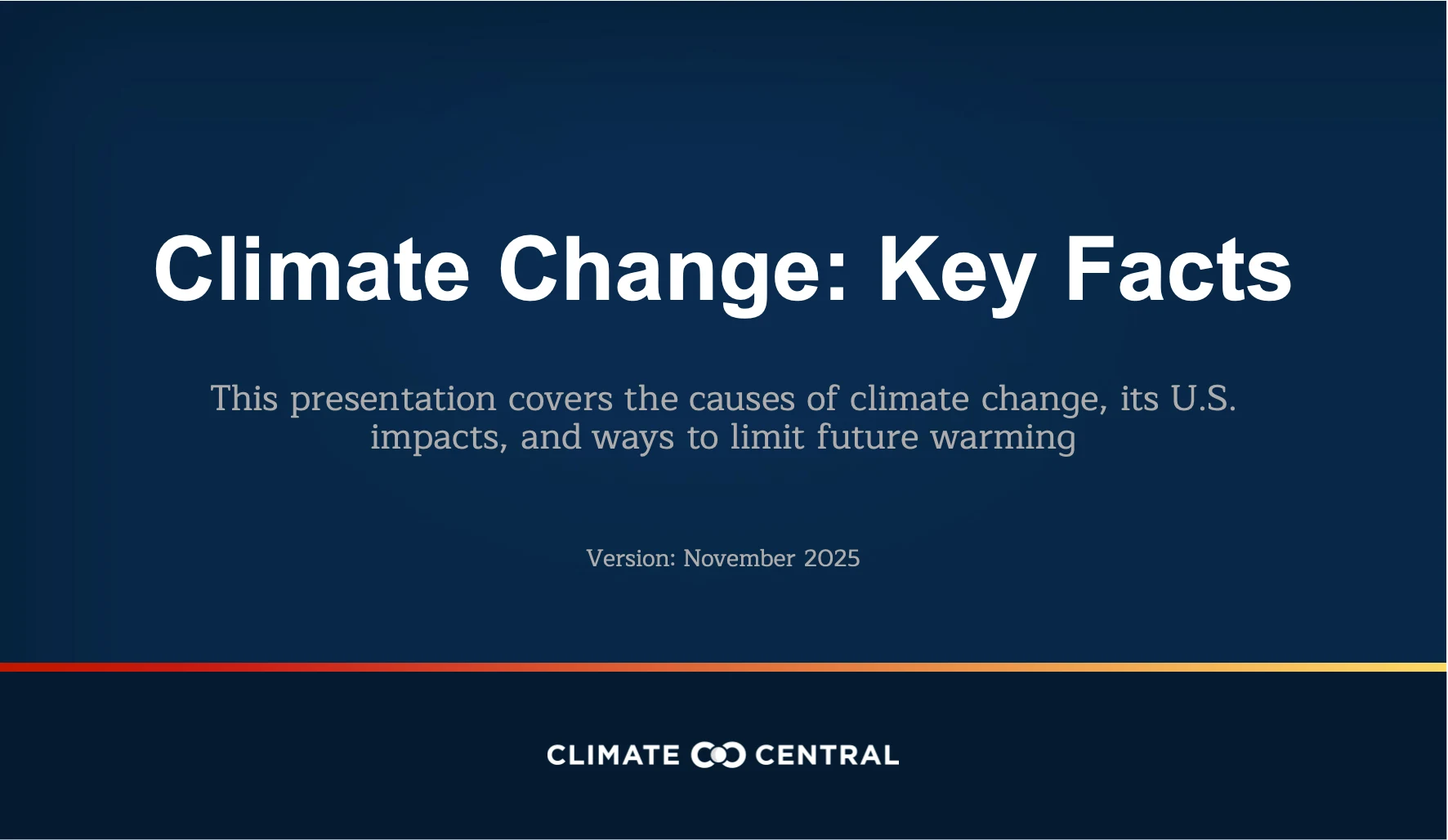
Free Slide Deck | Climate Change: Key Facts
A free slide deck from Climate Central, available in English and Spanish, covers the key facts on climate change, its U.S. impacts, and science-based solutions for a safer future.
Climate Matters•December 17, 2025•Reuse this content
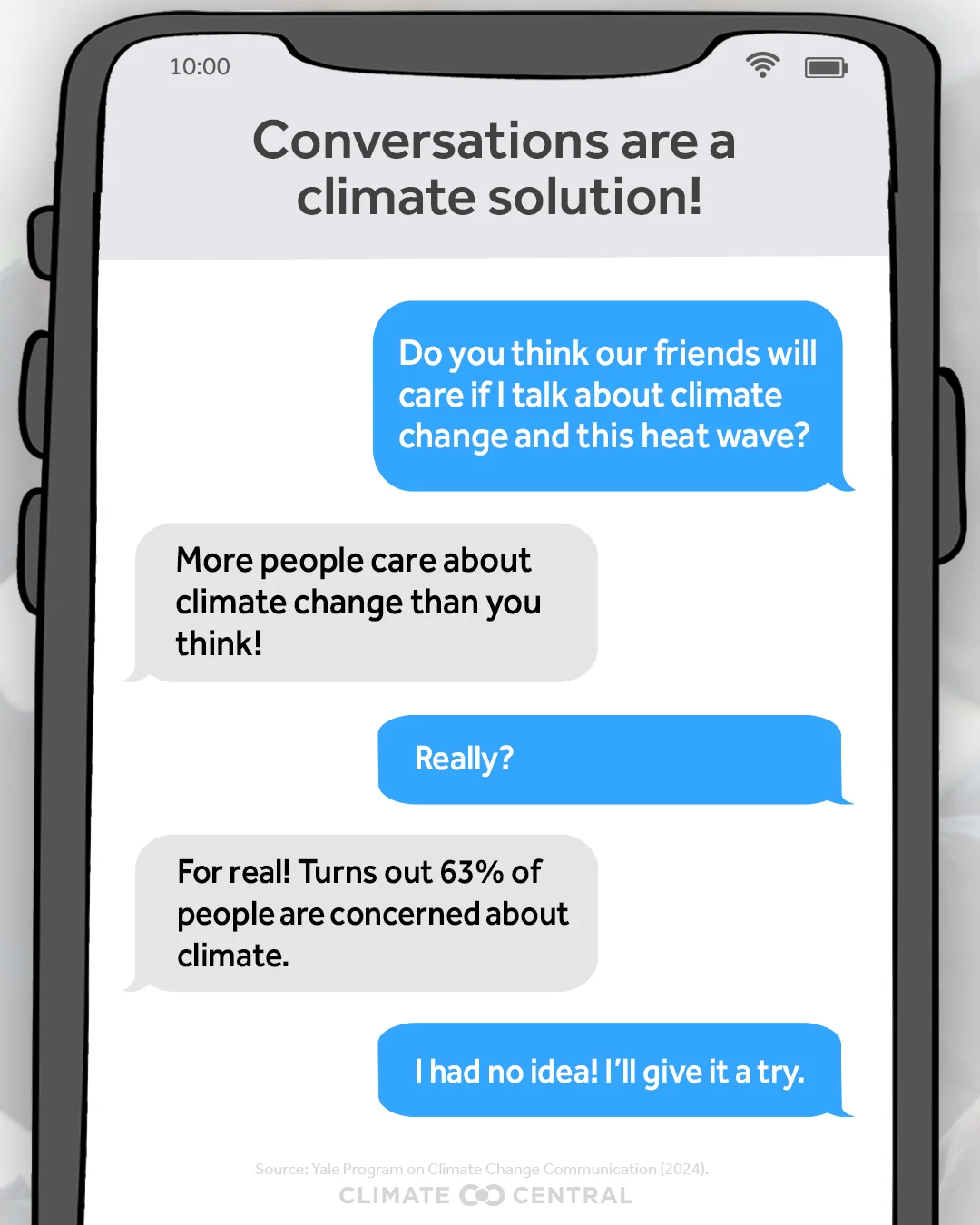
Most people in the U.S. are concerned about climate change (63%).
But research shows that most people also vastly underestimate how much others care about climate change. This can lead to silence and inaction.
Talking about climate change can help overcome these misperceptions.
That’s why having conversations is one of the most important climate actions we can take as individuals, and the holidays are a great time to start.
Finding connection, telling stories, and making climate change personal are a few expert-informed strategies that can help get conversations started.
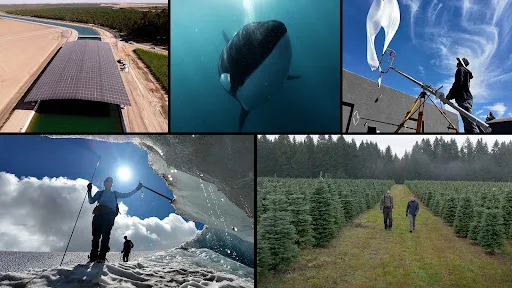
Looking to start climate conversations over the holidays? Click to download these evergreen, fully produced news stories, available to media outlets at no cost for broadcasts, streaming, and digital stories. |
|---|
Holidays bring more time with family and friends, and more opportunities to talk about the things that matter most to us — including climate change.
Conversations about climate change can feel daunting if we think people will be dismissive or hostile to the topic.
But people care about climate change (and want to talk about it) more than you probably think.
Most people in the U.S. are concerned about climate change (63%). But research shows that, on average, Americans think just 43% of the country is concerned along with them — well below reality.
These incorrect assumptions matter. They can influence whether we talk about climate change or act on the issue. And they can lead us to stay silent to conform to misperceived social norms.
Only about one-third of Americans (35%) report talking about climate change with friends and family at least occasionally.
Research shows that conversations about climate change can help move people toward greater acceptance of the facts. That’s why talking about climate change is one of the most important (and free) climate actions we can take as individuals.
These guidelines can help you start climate change conversations with your family and friends this holiday season (or any time). They’re grounded in science and based on advice from expert science communicators, including our team at Climate Central.
Don’t be afraid to start talking. Science and public opinion are on your side. Have conversations about climate change with friends, family, coworkers, and neighbors — and much more often.
Discussion doesn’t need to be lengthy or in depth. It can be as simple as mentioning to your neighbor that you’re switching to an electric heat pump. Or sharing a climate news story over breakfast with your family.
Bringing climate change into your daily interactions helps to normalize the topic, spark curiosity, and inspire others to start similar conversations of their own.
Look for what connects you and the other person, not what divides you. This is a key principle of climate communication from Bernadette Woods Placky, Climate Central’s chief meteorologist and the director of Climate Matters.
“So often we focus on our differences, but there is much more that we have in common. From cheering on our favorite teams to caring about our kids and pets. Connect on shared values and build on shared experiences,” Placky wrote earlier this month for News Creator Corp.
You know what your friends or family members care about most. Make the connections between their values and the impacts of climate change.
This could mean talking with your health-conscious cousin about worsening air quality from burning fossil fuels. Or chatting with a running buddy about dwindling odds for optimal race-day conditions at future marathons.
Talk about how climate change is happening now, in your community. Climate Central resources can give you data and information about the many ways a warming world is affecting your city or state.
Listening and asking questions can improve climate conversations. Show you’re genuinely interested in others’ perspectives and beliefs, even if they’re different from your own. Approaching conversations with empathy and curiosity, not judgement, can foster open dialogue.
“Making people feel bad for doing or buying something that’s not climate-friendly can backfire. They might shut down if they feel too criticized. Asking questions and sharing facts about alternatives can keep them engaged,” says Shel Winkley, a meteorologist and engagement specialist at Climate Central.
Clear, simple communication is most likely to be effective in conversations about climate change or any complex topic. Avoid jargon or complicated terms. Basically, talk like a human.
You don’t have to be an expert to talk about climate change, but knowing the basics can give you confidence and ground productive conversations. Being prepared helps you better respond mid-conversation when there’s an opportunity to clarify facts.
Start building your knowledge with Climate Central’s slide deck covering the key facts on climate change. Familiarize yourself with common climate change myths and misconceptions.
Facts matter, but stories change minds. Stories make abstract ideas feel more concrete and relatable. Talk about your experiences or share a climate news story that was meaningful for you.
When you start talking about climate change with friends or family, remember that the goal is to have a conversation, not win an argument. Be respectful and draw them into a discussion.
“When I’m talking about climate change, ultimately I want the other person to walk away thinking that I’m another human being,” says Tom Di Liberto, media director at Climate Central.
Even if you don’t change someone else’s mind about climate change with one conversation, simply bringing it up still makes a difference — by normalizing the topic, sparking curiosity, and inspiring others. These conversations matter for climate.
How to Speak with Your Family and Friends about Environmental Issues (Yale Program on Climate Change Communications)
Let’s Talk Climate e-book (The Nature Conservancy)
Talk like a human (Potential Energy)
Check out Katharine Hayhoe’s Talking Climate podcast and weekly newsletter
A Toolkit for Climate Storytelling and This is Cooler: Educator & Families Conversation Guide (Planet Media)
Download the Cranky Uncle game
To request an interview with a Climate Central scientist, please contact Abbie Veitch, aveitch@climatecentral.org.
Climate Matters © 2025 by Climate Central is licensed under CC BY 4.0
This license grants permission to use, distribute, and reproduce all text, graphics, and multimedia content published on this page in any medium, provided that Climate Central is credited per the CC BY 4.0 license.
Permission to use data and other materials published on this page is granted for non-commercial uses, commercial news purposes, and educational purposes as governed by Climate Central's Terms of Use.