
Test - DEV BlogPost Page
We create graphics and media packages for local reporters to use in their stories. We create graphics and media packages for local reporters to use in their stories. We create graphics and media packages for local reporters to use in their stories. We create graphics and media packages for local reporters to use in their stories. We create graphics and media packages for local reporters to use in their stories. We create graphics and media packages for local reporters to use in their stories.
We create graphics and media packages for local reporters to use in their stories. We create graphics and media packages for local reporters to use in their stories. We create graphics and media packages for local reporters to use in their stories.
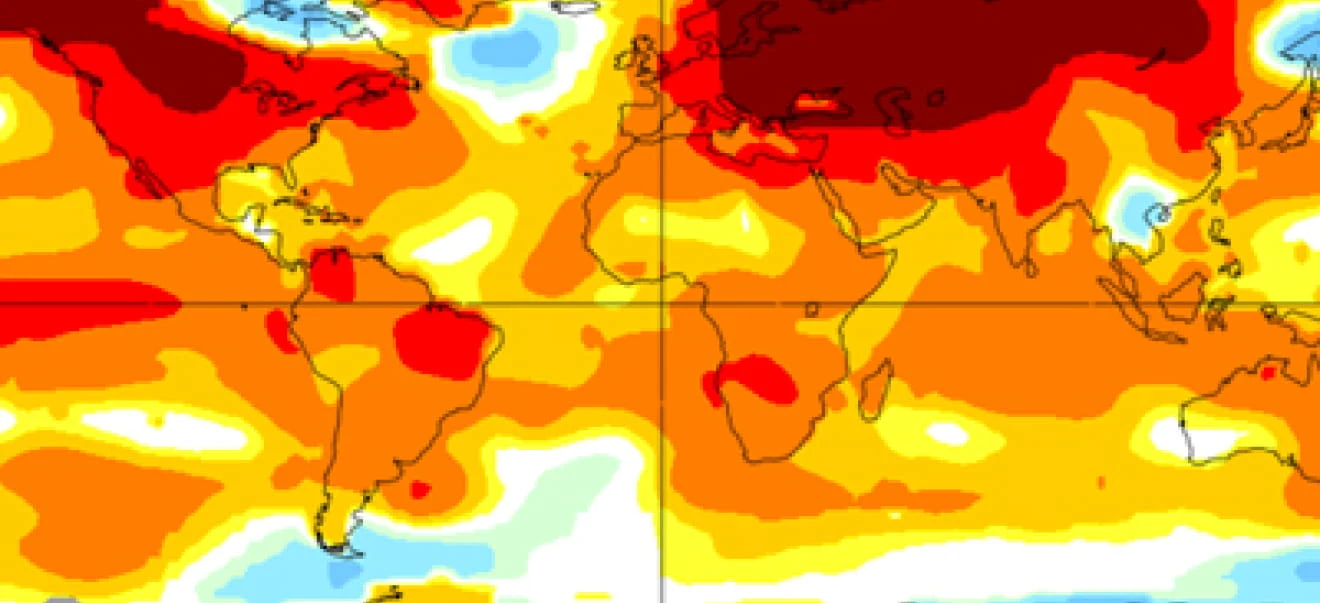
We create graphics and media packages for local reporters to use in their stories. We create graphics and media packages for local reporters to use in their stories. We create graphics and media packages for local reporters to use in their stories. We create graphics and media packages for local reporters to use in their stories. We create graphics and media packages for local reporters to use in their stories. We create graphics and media packages for local reporters to use in their stories.
We create graphics and media packages for local reporters to use in their stories. We create graphics and media packages for local reporters to use in their stories. We create graphics and media packages for local reporters to use in their stories.
We create graphics and media packages for local reporters to use in their stories. We create graphics and media packages for local reporters to use in their stories. We create graphics and media packages for local reporters to use in their stories. We create graphics and media packages for local reporters to use in their stories. We create graphics and media packages for local reporters to use in their stories. We create graphics and media packages for local reporters to use in their stories.
We create graphics and media packages for local reporters to use in their stories. We create graphics and media packages for local reporters to use in their stories. We create graphics and media packages for local reporters to use in their stories.
Climate Shift Index™ levels are evaluated each day using temperatures from a state-of-the-art numerical weather model. But discrepancies between daily forecasted temperatures and actual observed temperatures can lead to divergent attribution estimates. In particular, places and seasons with relatively small temperature variability combined with relatively strong temperature trends (e.g., the tropics, especially overnight) are likely to have greater sensitivity to differences between the forecast and observations. We account for these uncertainties by masking out regions where forecast errors could lead to a change in the Index of two levels (or greater), labeling them as “Not Attributable.” Masked regions are filled when observational data become available.
To compute the Climate Shift Index ™ we combine two complementary ways of estimating how climate change has altered the frequency or likelihood of a temperature. We average these two methods together to make the CSI. One method uses 22 climate models each run with and without historical greenhouse gas emissions. We then calculate the frequency of the observed or forecasted temperature in the modeled climates. This gives us 22 pairs of frequencies. We then take the ratio of the frequency in the high-CO2 run to the frequency in the run without extra greenhouse gasses. We then average these ratios together.
For the other method, we take all of the daily temperatures for the last 30 years and use that to calculate the frequency of the observed or forecasted temperature. We then calculate how much a particular location’s temperatures change in response to an increase in global mean temperature. This relationship allows us to remove the contribution of human-caused climate change, giving us the frequency of the particular temperature in a climate without global warming.. We then compute the ratio of the frequency of the temperature in the current climate to the frequency in the climate without climate change. We have two different ways to estimate the current and past frequencies. These two values are averaged together. The final Climate Shift Index ™ is built from the average of the observation-based and model-based estimates.
See our downloadable methods documentation for more detail.
The Climate Shift Index ™(CSI) is a number that indicates the fingerprint of climate change on any day’s local weather. The initial implementation of CSI is for high and low air temperatures. A CSI level above zero means that human-caused climate change has made that day’s temperature more common (and a level below zero, less common). A CSI can be calculated for observed temperatures and for forecasted temperatures.
Yes. The methods beneath the calculation of CSI are detailed in Advances in Statistical Climatology: A multi-method framework for global real-time climate attribution (June 13, 2022)
Climate change is a part of our lives right now, whether we like it or not. The Climate Shift Index ™ helps identify the daily weather conditions that have been altered by climate change. It quantifies how the world is already changing, and signals the kinds of conditions that will be more common in the future. It also allows meteorologists, journalists, policy makers, and citizens to connect climate change with events like extreme heat and wildfires in their home towns and around the world, and in the past, present, and future…
The Climate Shift Index is calculated by comparing the daily forecasted temperature to 1) the variability in local temperatures, and 2) the strength of the local warming trend. If the warming trend is weak, then Climate Shift Index levels will be close to zero even if the temperature is unusually warm or cool. Similarly, places and seasons where the variability is very high require a bigger temperature anomaly in order to produce a positive or negative Climate Shift Index levels. This applies in many places in the U.S., especially during the spring and fall. For the same reason, places with strong warming signals and low variability—such as tropical regions and many places near the ocean—can see large Climate Shift Index levels even for small changes in temperature.