Climate change in Illinois
Climate change is affecting locations like Illinois in a variety of ways. In summer, these impacts include increased health risks from extreme heat, greater health risks from humid heat, and more frequent and intense storms.
Explore these pages to learn how people in Illinois are at risk in a warming world.
Since 1970, average annual temperatures in Illinois have gotten 2.6°F warmer, reflecting an overall warming trend.
Warming puts people and ecosystems at risk from more frequent and intense extreme weather.
Overall, the contiguous U.S. is about 2.8°F warmer today than in 1970, based on average temperatures.
Data source: NCEI Climate at a Glance
Since 1970, Illinois' annual precipitation has increased by 2 inches.
Climate change is supercharging the water cycle and bringing heavier precipitation extremes across the U.S.
For every 1°F of warming, the air can hold 4% more moisture, increasing the chances of heavier downpours that contribute to flash flooding hazards.
Data source: NCEI Climate at a Glance
Illinois' climate threats in include:
During the past 20 years, Illinois experienced 67 more billion-dollar disasters from severe storms compared to the previous 20 years.
As the planet warms, extreme weather events are becoming more frequent and intense, resulting in devastating losses.
This data shows how the total number of severe storms with at least one billion dollars in damages has changed from 1980-1999 to 2005-2024.
Data source: NCEI U.S. Billion-Dollar Weather and Climate Disasters
Since 1970, average summer temperatures in Illinois have gotten 1.2°F hotter, reflecting an overall warming trend.
Hotter summer temperatures lead to heat-related illness and worsen air quality — putting health at risk.
Data source: NCEI Climate at a Glance
Explore some ways climate change is affecting Illinois in summer
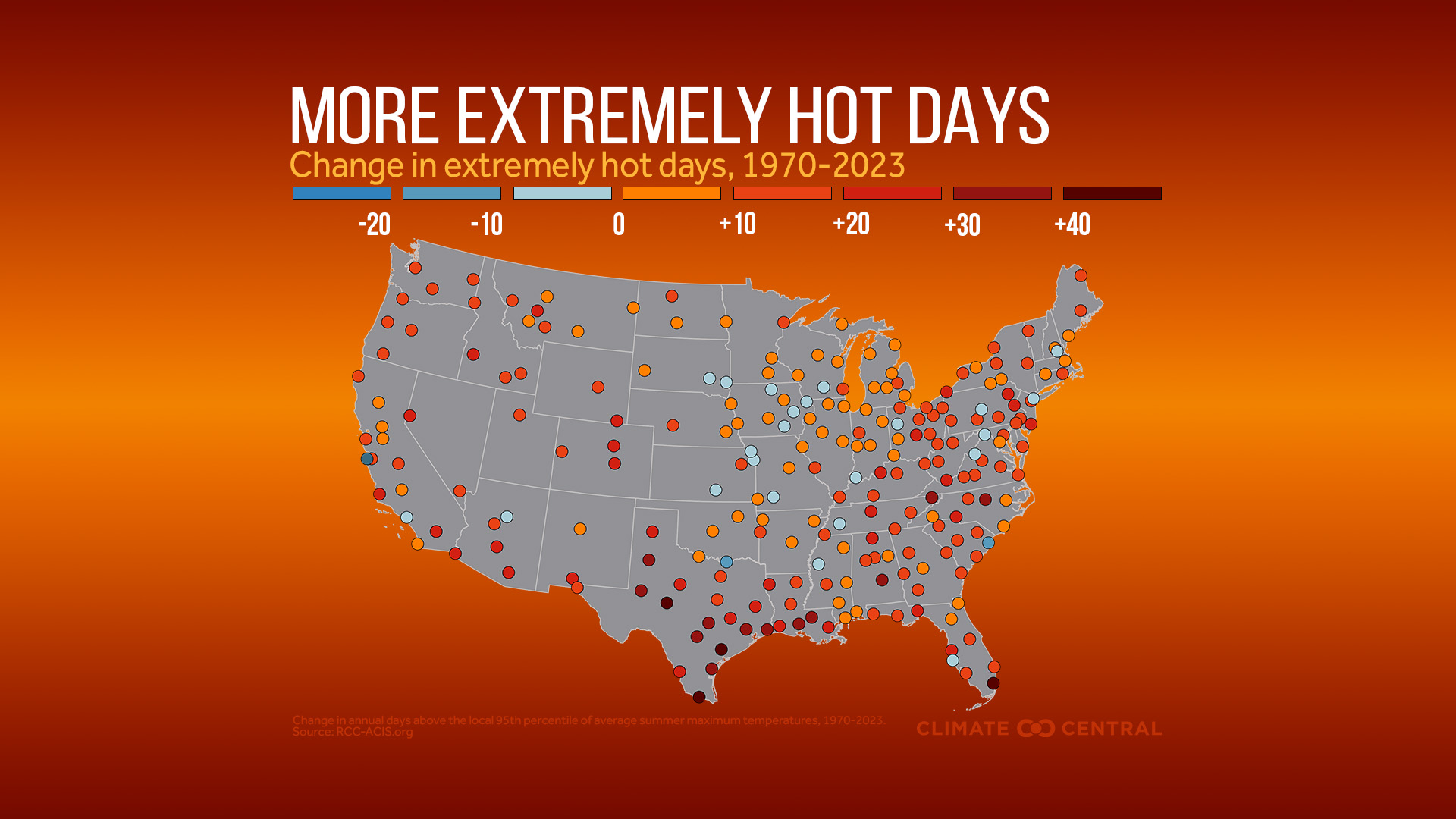
More extremely hot days for school sports
Today’s student athletes train in hotter conditions than past generations.
Key concepts:
- Today’s student athletes train in hotter conditions than past generations.
- Since 1970, 88% of U.S. locations analyzed saw more extremely hot days.
- Exercising and playing sports outdoors during extreme heat is risky for athletes of all ages and experience levels
More dangerous heat
Climate change is driving hotter, longer, and more frequent extreme heat.
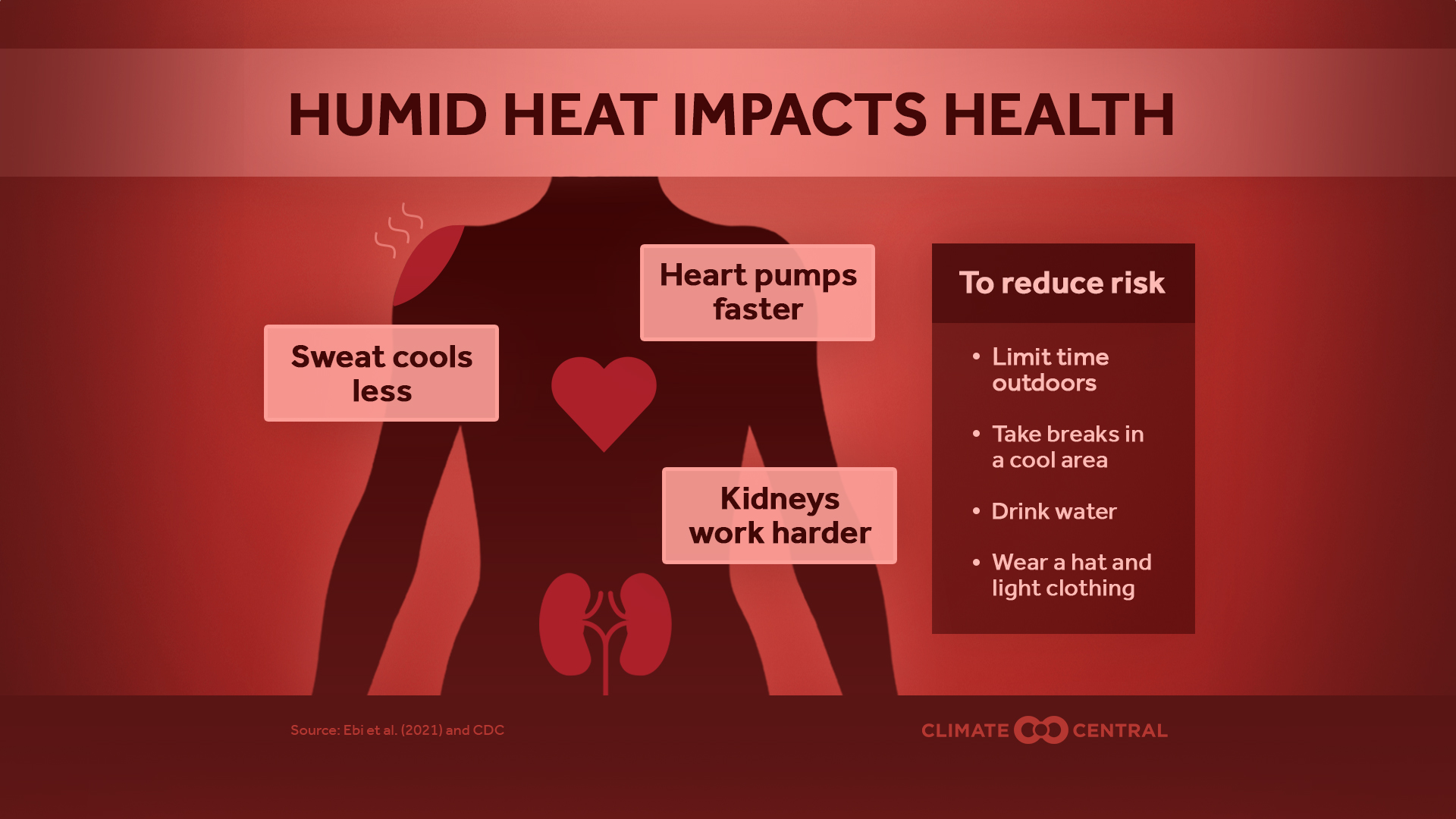
Key concepts:
- Climate change is driving hotter, longer, and more frequent extreme heat — the deadliest U.S. weather hazard.
- Heat combined with humidity multiplies health risks.
- Rising humidity slows sweat evaporation, straining the body’s cooling system and causing dangerous heat stress.
Changes in severe storms
Certain conditions favorable to thunderstorms and tornadoes are occurring more often
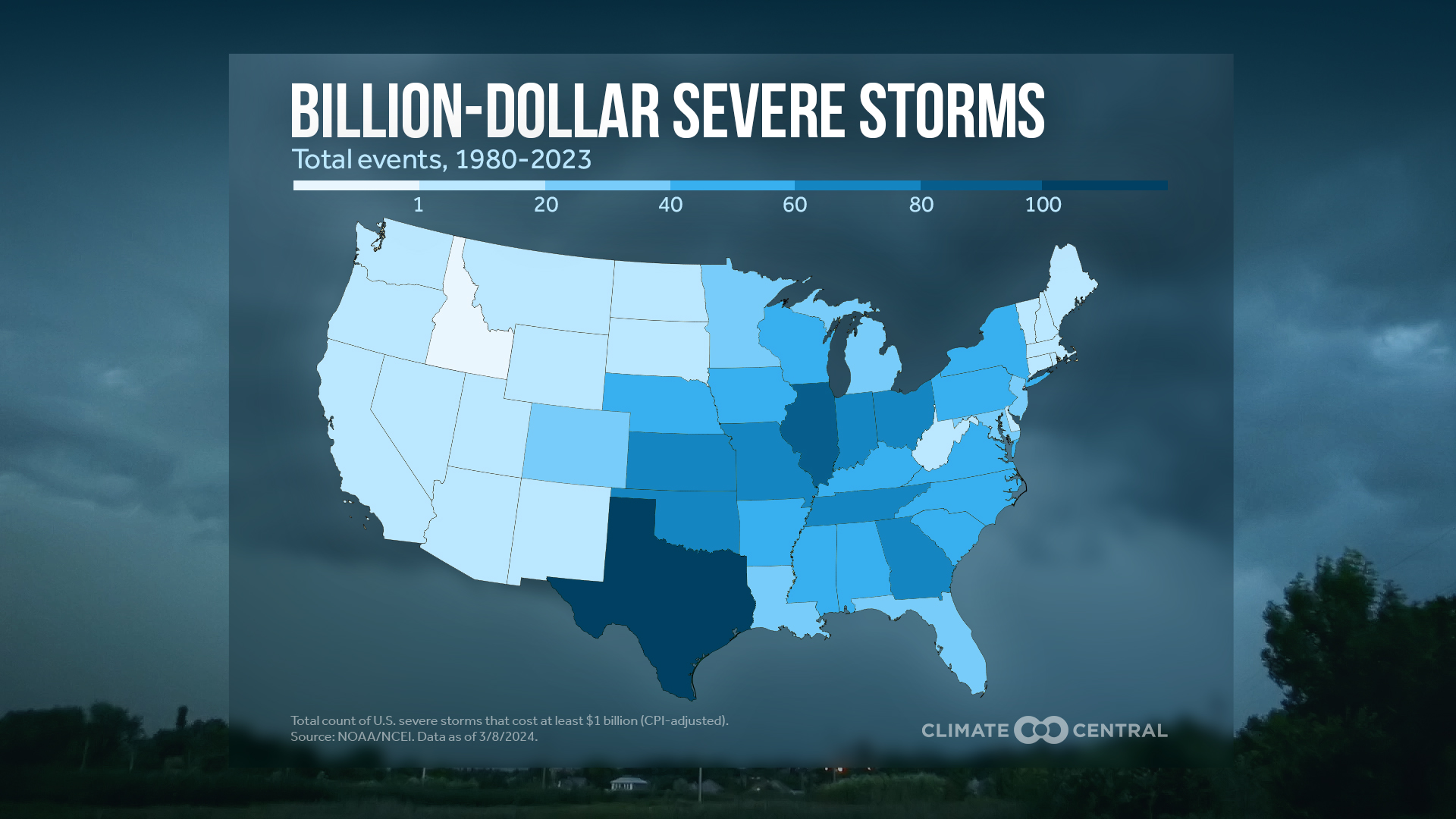
Key concepts:
- Severe storms make up half of U.S. billion-dollar disasters since 1980.
- Climate change is shifting storm conditions into new seasons and regions.
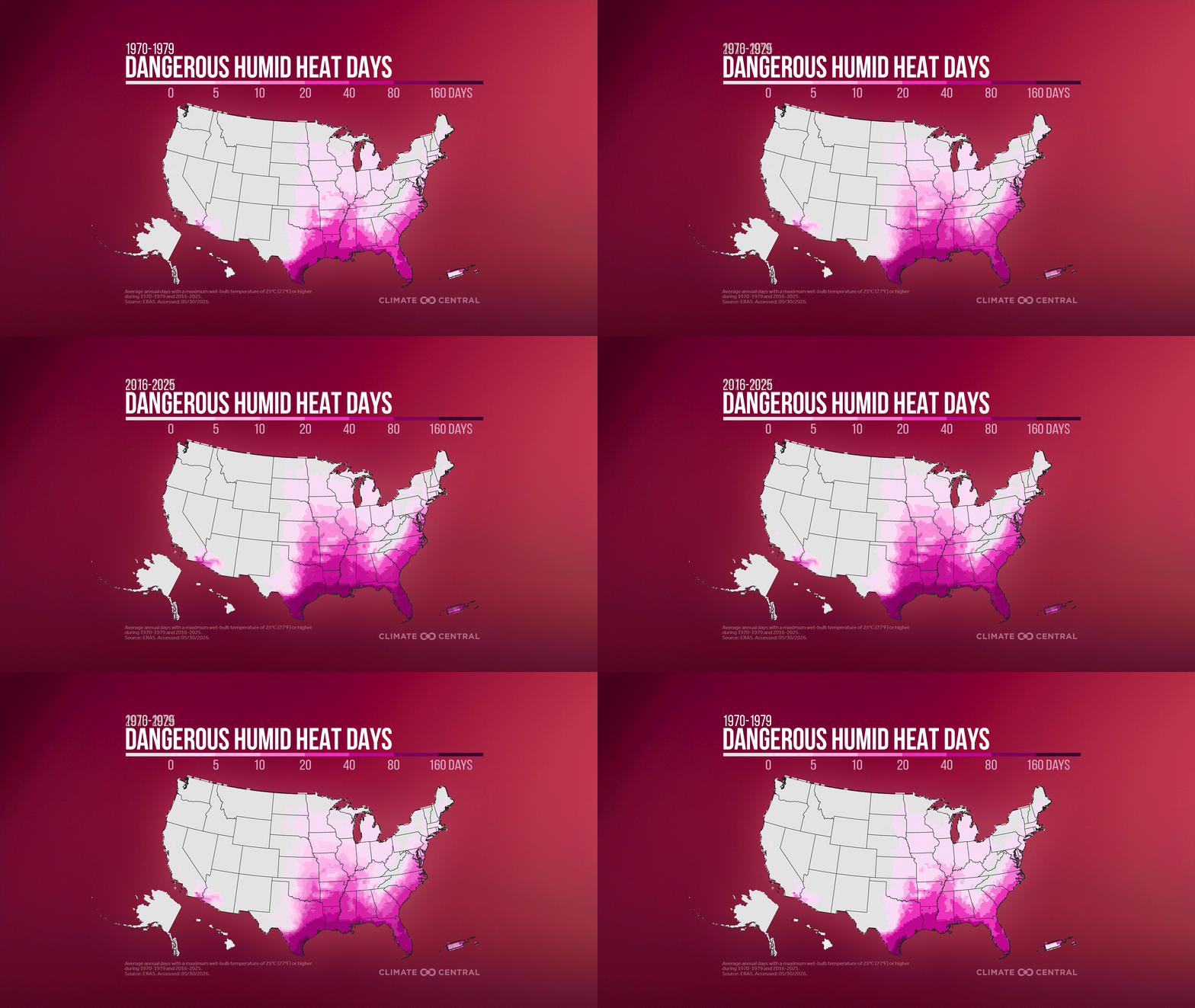
Key concepts:
More graphics about Illinois and climate change
Browse climate-related graphics for all seasons localized for Illinois, available for download and use consistent with our Terms of use.